
 Inspection Menu

OligoScan is a non-invasive diagnostic tool that provides an instant analysis of your body's essential minerals and toxic heavy metals. Deficiencies in vital minerals — or the accumulation of harmful metals — can contribute to fatigue, inflammation, weakened immunity, and other health concerns.
With precise, personalized data, you can proactively address hidden risks and optimize your nutrition, supplementation, and lifestyle. This is an essential step in restoring balance to your internal environment and achieving true, long-term wellness.
Price: ¥16,000
Time Required: Approx. 10 minutes
-
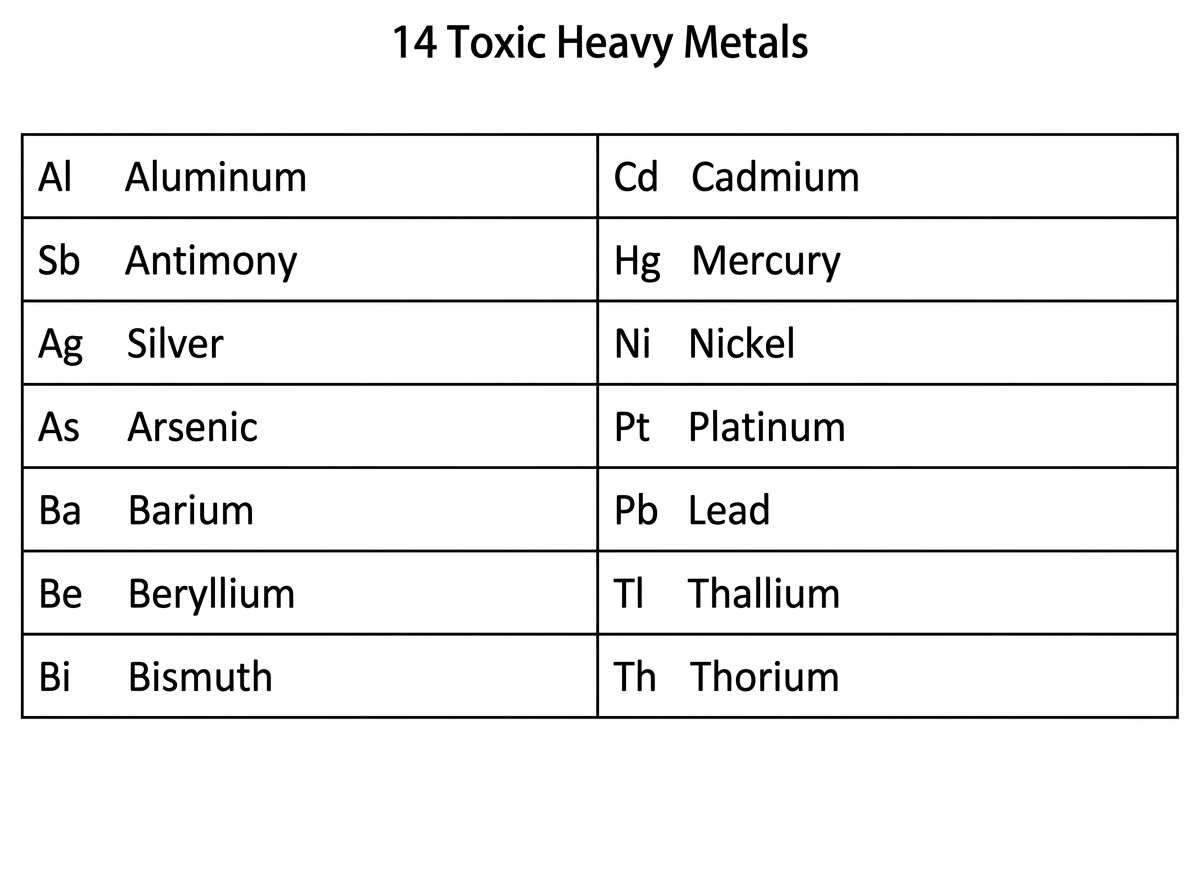
 14 Toxic Heavy Metals
 -
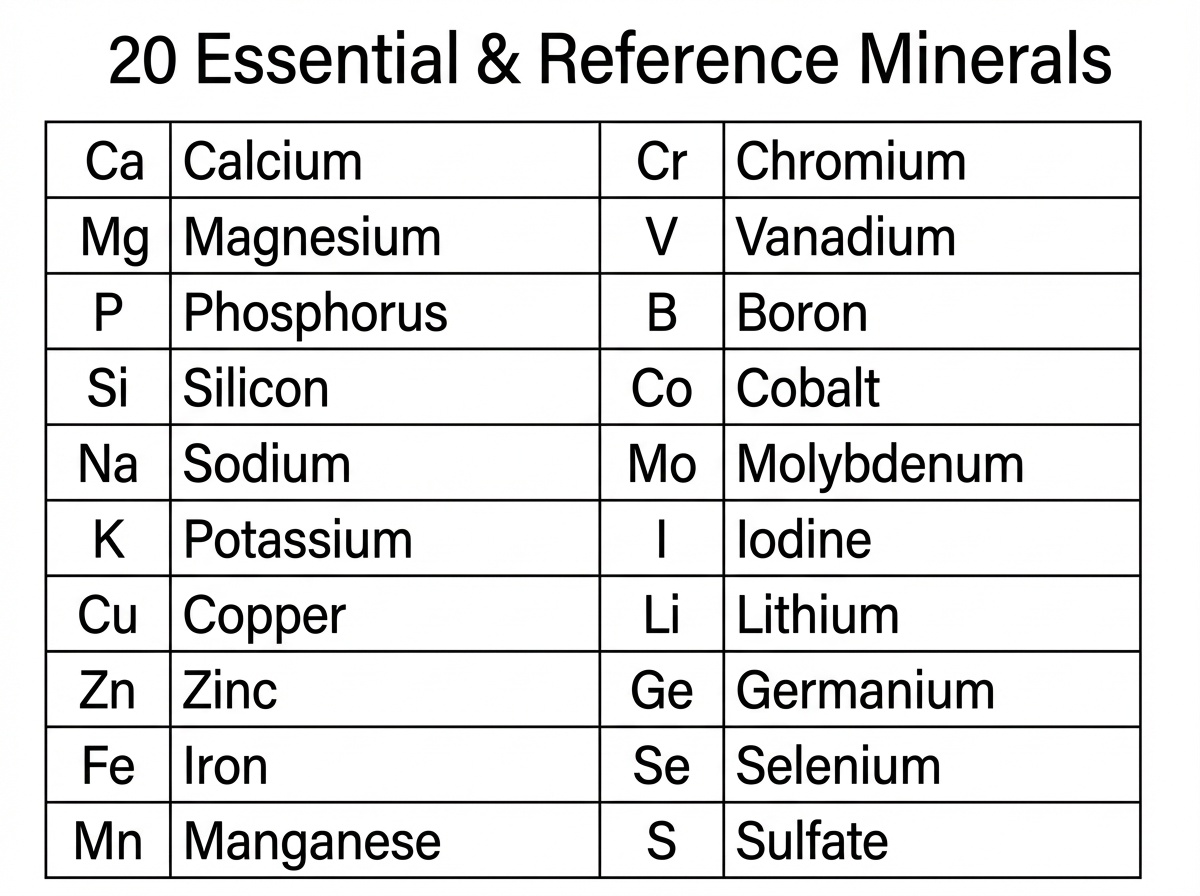
 20 Essential & Reference Minerals
 -
 Oxidative Stress Markers
 -
 Metabolic Function Indicators
: found in large fish, dental alloys
may affect immunity, energy, and inflammation
: from emissions, hair dye
linked to anemia and hypertension
: from tobacco, rice, exhaust
associated with joint pain and kidney issues
: from pesticides
disrupts enzyme function
: from cookware, tap water
may impair cognition
: from smoking, pastries
can trigger dizziness, metal allergies
— and which exposures to avoid —
to protect your health from within.

AGE READER – Advanced Glycation Scanning
Our AGEs Scanner measures the accumulation of Advanced Glycation End-products (AGEs) — harmful compounds formed when excess sugar binds to proteins, accelerating aging and metabolic decline.
Using a gentle, light-based sensor, this non-invasive scan reveals your current glycation level in just minutes. No needles. No discomfort. Immediate results.
Fee: ¥3,300
Time Required: Approx. 10 minutes
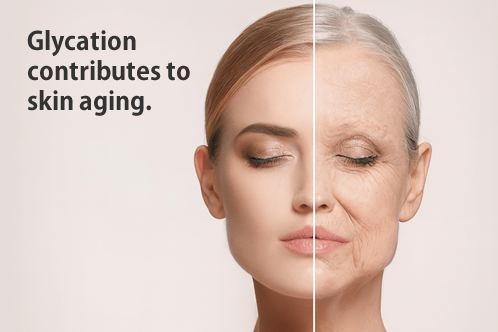

Advanced Glycation End-products (AGEs) are harmful compounds formed when excess sugar binds to proteins in the body. As glycation increases, it accelerates visible skin aging, impairs organ function, and elevates the risk of lifestyle-related diseases.
Our AGEs Scanner offers a simple, non-invasive way to measure your body's current glycation level — revealing your "glycation age" in just minutes.
By understanding your glycation status, you can take proactive steps to protect your skin, metabolism, and overall health. Let this insight guide you toward smarter nutrition, daily habits, and long-term wellness.
Now is the time to take the first step in safeguarding your future.
Experience the ultimate preventative tool — the AGEs Scanner — and unlock a clearer path to healthy aging.
Healthy, Non-Glycated Collagen

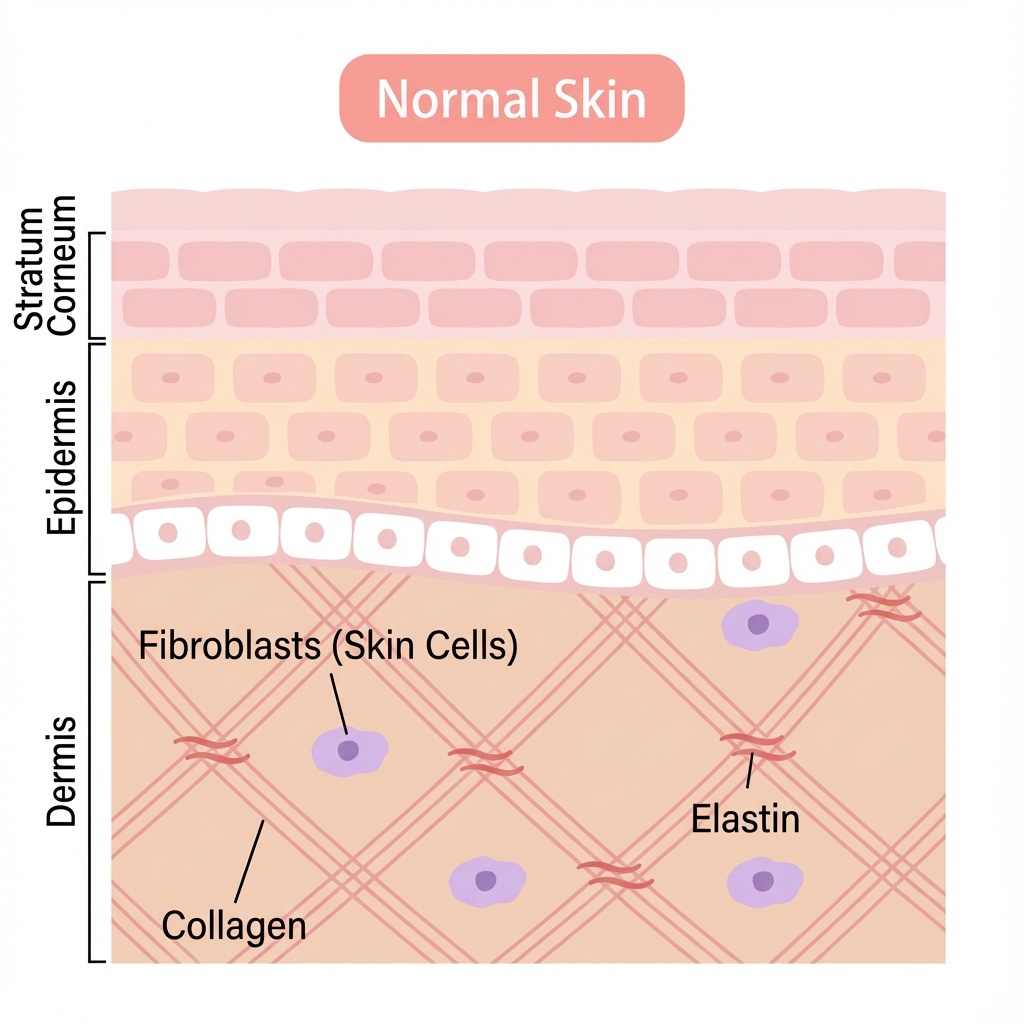
Smooth, flexible, and deeply hydrated — the foundation of youthful, resilient skin.
Glycated Collagen (Stiffened by AGEs)

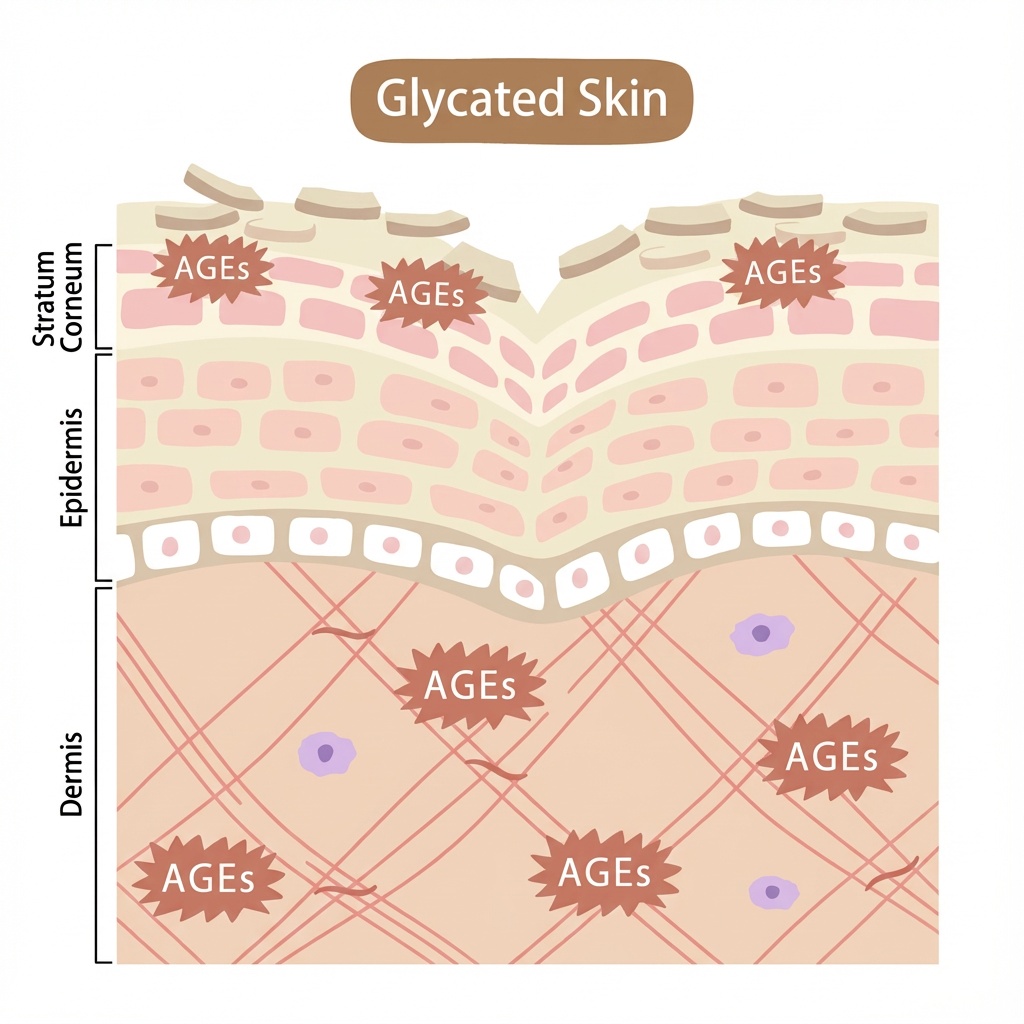
When sugar molecules bind to collagen fibers, they become rigid and lose their natural elasticity.
【Glycation Risk Self-Check】
Is Your Body Quietly Building Up Sugar Damage?
Check the boxes that apply to see if your lifestyle may be accelerating glycation — a silent driver of aging, inflammation, and metabolic stress.
- I tend to eat quickly.
- I often skip breakfast.
- I eat most of my meals high in refined carbs (bread, pasta, pizza, etc.).
- I smoke or have smoked in the past.
- I drink alcohol several times per week.
- I don't include many vegetables or leafy greens in my diet.
- I frequently eat processed or packaged foods.
- I often reach for sweets or desserts (cookies, pastries, ice cream, etc.).
- I drink sugary beverages (soda, energy drinks, sweetened coffee).
- I tend to overeat, especially in social settings.
- I crave fast food or late-night snacks after drinking.
- I live with high levels of stress.
- I rarely exercise or stay physically active.
- I tend to snack on chips, crackers, or sweetened cereal.
Your Glycation Risk Level
0–2 items checked — Low risk
3–5 items checked — Moderate risk
6–8 items checked — High risk
9 or more items checked — Very high risk
If you checked 6 or more items, now is the time to act.
We strongly recommend undergoing a glycation scan to better understand your current health status and prevent long-term damage.
When Glycation Advances, Health Declines
Excessive glycation in the body can trigger or worsen a wide range of diseases and disorders. Here are some of the key conditions associated with elevated AGEs (Advanced Glycation End-products):
Type 2 Diabetes:
As glycation progresses, it contributes to insulin resistance, making blood sugar regulation more difficult and increasing the risk of type 2 diabetes.
Cardiovascular Disease:
AGEs damage the endothelium — the inner lining of blood vessels — leading to arterial stiffness, atherosclerosis, and a higher risk of heart attack or stroke.
Chronic Kidney Disease:
Elevated glycation places oxidative stress on the kidneys, accelerating tissue damage and contributing to the progression of chronic renal disorders.
Metabolic Syndrome:
Glycation is linked to weight gain, high blood pressure, and elevated blood sugar, all of which increase the likelihood of metabolic syndrome.
Cataracts & Vision Impairment:
When glycation occurs in the eye, proteins in the lens become clouded, raising the risk of cataracts and age-related vision loss.
The good news?
Many of these risks can be prevented or improved through early detection and lifestyle interventions — including diet, exercise, and glycation-focused treatment.Take action today to protect your long-term health.
※Normal human costal cartilage tissue


Oxidative Stress & Antioxidant Capacity Test
Using only a small blood sample, this test accurately measures both oxidative stress — the level of reactive oxygen species (free radicals) — and your body's natural antioxidant defense.
The procedure is simple, quick, and minimally invasive, providing immediate insight into your body's balance between oxidation and protection.
Price: ¥11,000
Time Required: Approximately 10–20 minutes
What Is Oxidative Stress?
Oxidative stress occurs when the balance between oxidation and antioxidant defense is disrupted — tilting the body toward an oxidized state that damages cells and tissues. Through breathing, we take in oxygen to sustain life and metabolism. During this process, reactive oxygen species (ROS), also known as free radicals, are naturally produced.
While essential in small amounts, excessive ROS generation causes oxidative damage — a "rusting" effect within the body — accelerating aging and contributing to fatigue, inflammation, and chronic disease.
Just as iron rusts and oil oxidizes, our cells are also subject to daily oxidation. When oxidative stress accumulates, it affects the brain, blood vessels, and skin, damaging cellular structures and increasing the risk of cancer, vascular aging, weakened immunity, and lifestyle-related disorders.
In short, oxidative stress is something the body needs in moderation, but suffers greatly from when in excess.
【Oxidative Stress Self-Assessment】
The more statements you answer "Yes" to, the higher your potential oxidative stress levels may be.
- You often wake up feeling tired, even after a full night's sleep.
- You have trouble falling asleep or staying asleep.
- You notice more pigmentation, wrinkles, or loss of firmness in your skin.
- Your hair feels weaker or has lost its natural shine and volume.
- You catch colds easily or take longer to recover.
- You often feel mentally or emotionally stressed.
- You rarely exercise — or, conversely, you train intensely on a regular basis.
- You frequently eat greasy, fried, or sugary foods.
- You smoke or drink alcohol regularly.
- You spend a lot of time in the sun or are exposed to UV rays frequently.
- You have a family history of lifestyle-related diseases (such as diabetes, hypertension, or heart disease).
- You've recently noticed a decline in focus or memory.
0–3 "Yes" answers: Low oxidative stress — maintain your current habits but stay mindful.
4–6 "Yes" answers: Mild oxidative stress — consider lifestyle adjustments such as diet and sleep improvement.
7 or more "Yes" answers: High oxidative stress — a professional assessment or antioxidant therapy is recommended.
Your body may be sending subtle signs — listen early, act wisely.
Diseases and Symptoms Associated with Oxidative Stress
When oxidative stress accumulates, it silently damages cells and tissues throughout the body.
Over time, this imbalance can contribute to a wide range of diseases and accelerate both internal and visible aging.
- 1. Lifestyle-Related Diseases
- Arteriosclerosis / Hypertension
- Diabetes / Dyslipidemia
- Myocardial infarction / Stroke
Oxidative damage to the vascular endothelium impairs circulation and disrupts metabolism, leading to cardiovascular and metabolic disorders.
- 2. Aging & Age-Related Conditions
- Skin aging — pigmentation, wrinkles, loss of elasticity
- Cataracts / Macular degeneration
- Osteoporosis
Cellular and connective-tissue oxidation accelerates both external signs of aging and internal functional decline.
- 3. Neurological Disorders
- Alzheimer's disease
- Parkinson's disease
Brain and nerve cells are highly sensitive to oxidative stress, which contributes to memory loss and reduced motor function.
- 4. Cancer
- Excess reactive oxygen species (ROS) can damage DNA, increasing the likelihood of genetic mutations that may lead to cancer.
- 5. Chronic Inflammation & Immune Suppression
- Atopic dermatitis
- Asthma / COPD (Chronic Obstructive Pulmonary Disease)
- Increased vulnerability to infections due to reduced immunity
Persistent oxidative stress weakens immune defenses and heightens inflammatory responses throughout the body.
- 6. General Health Concerns
- Chronic fatigue and low energy
- Poor sleep quality
- Reduced concentration and memory
- Hair thinning or loss
These are often early warning signs of rising oxidative stress.
Identifying and managing it early can help protect long-term vitality and cellular health.
We'd Be Delighted to Assist You
To book a visit,please click below
You will be directed to our online reservation system.
 Director's Message
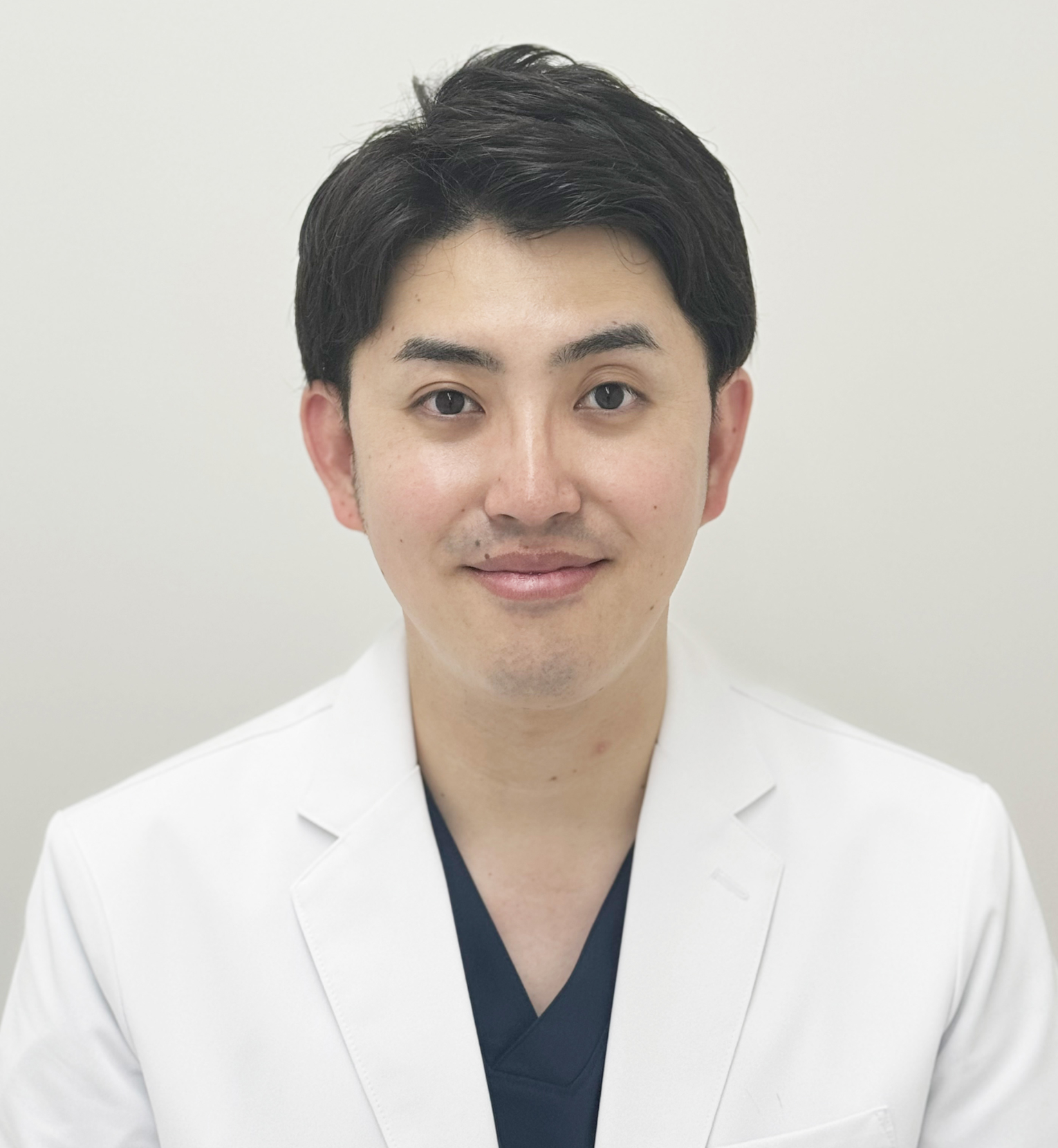
The pursuit of timeless beauty and optimal health is evolving rapidly, and the most forward-thinking advances now lie at the intersection of aesthetic medicine, regenerative science, and preventive care.
At BMC Roppongi, our philosophy is rooted in an inside-out approach—enhancing external beauty while elevating the internal systems that sustain long-term wellness.
We provide a curated selection of advanced regenerative therapies, premium infusion treatments, and evidence-based anti-aging protocols.
Our goal is not only to refine outward appearance, but to support cellular vitality, organ health, and overall metabolic balance—helping you maintain a youthful state of being from within.
Situated in the heart of Roppongi, our clinic serves as a discreet and trusted destination for international clients seeking high-quality medical care while traveling or residing in Tokyo.
We have designed a serene, refined environment where you can unwind and receive care with complete confidence and comfort.
My team and I are committed to delivering safe, transparent, and medically grounded treatment experiences, tailored to the lifestyle and expectations of global clientele. We look forward to supporting your continued health, beauty, and longevity.
Yoshinori Okubo, M.D.
Medical Director, BMC Roppongi

 ACCESS
Address
4F Kashikawa Seishido Building
3-10-9 Roppongi, Minato-ku, Tokyo 106-0032
Japan
Access
1-minute walk from Roppongi Crossing
Payment
Credit card payments are accepted.
Telephone
03-6434-9506
please click below

